


May 11 2013: international seminar Palevoprim n° 42
Speaker
Amélie Beaudet
CNRS Professor Junior
Topic
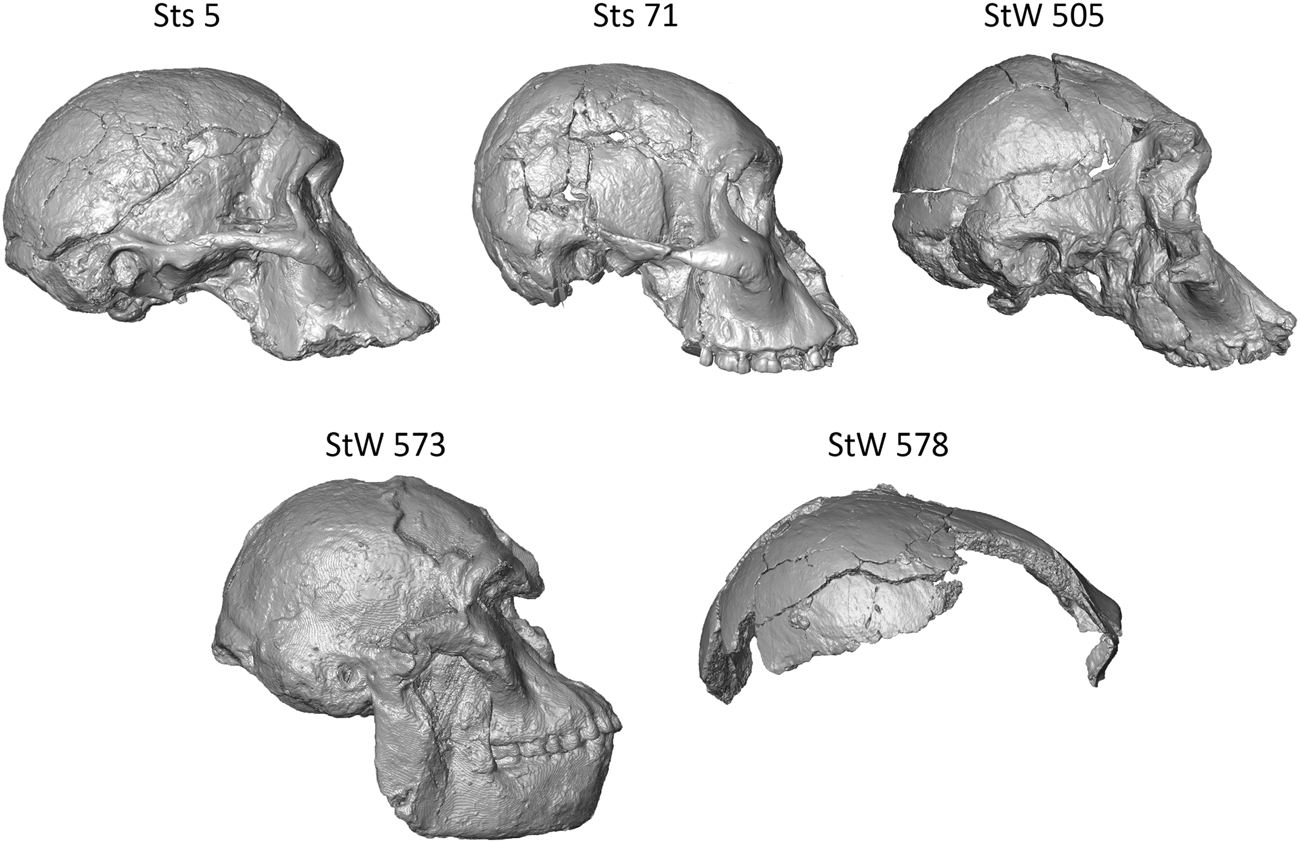
Morphological variation and taxic diversity in southern African Australopithecus
Interpreting and understanding morphological variation within the fossil hominin record represent one of the major challenges in palaeoanthropology. The lack of a consensual definition of the species concept in palaeontology, together with the fragmentary nature of the fossil record, substantially impact our understanding of the fossil hominin taxic diversity. Historical debates around the fossil remains attributed to Australopithecus in southern Africa is an iconic example of how those questions may influence our understanding of human evolution. In this talk, I will briefly describe the chronology of the discoveries and the factors responsible for morphological variation in the fossil record before discussing the last breakthroughs as well as the scenarios and hypotheses to test in the near future.
Amélie Beaudet is a CNRS Junior Professor at the Laboratoire Paléontologie, Evolution, Paléoécosystèmes, Paléoprimatologie at Poitiers, and honorary researcher at the University of Cambridge (United-Kingdom) and at the University of the Witwatersrand (South Africa). She has been a member of the Sterkfontein team, where “Little Foot” was found, since 2017, and she is co-principal investigator of the EndoMap project funded by the PROTEA program. Amélie defended her PhD at the University of Toulouse in 2015 on the southern African fossil record. From 2015 to 2020, she was a postdoctoral researcher at the University of Pretoria and then at the University of the Witwatersrand before joining the University of Cambridge as an assistant professor. In 2023, she was granted a CNRS Junior Professor Chair. Her work mainly focuses on the evolution of the hominin brain and the factors that played a role in the emergence of our own genus.
Place
Salle 105 Wegener, ground floor, north wing, Build. B35, université de Poitiers.